
Offering the very best products at the very best prices!!
Offering the very best products at the very best prices!!

Choosing the correct aggregates for your construction endeavour is a pivotal decision that directly impacts the project’s strength, resilience, and overall performance. Aggregates serve as the backbone of construction, whether they’re incorporated into concrete, utilised as foundational materials for roads, or integrated into drainage systems. This guide delves into the essential factors to consider when selecting aggregates, focusing on their strength, size, and appropriateness for specific construction tasks.
1. Assessing Strength
The strength of the aggregates is paramount as it significantly contributes to the robustness of construction materials like concrete. Projects necessitating high durability and load-bearing capabilities, such as skyscrapers, bridges, and heavily trafficked highways, demand aggregates with superior compressive strength. Opting for aggregates with sufficient crushing strength and toughness ensures they can withstand the rigorous demands they’ll encounter.
2. Sizing Consideration
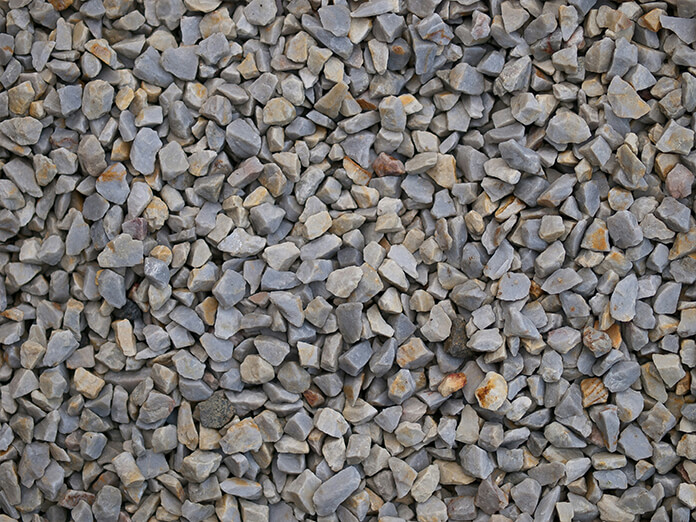
Aggregate size is another critical variable to contemplate. It influences the workability of the mix, the strength of concrete, and the final surface finish. Larger aggregates are typically favoured for foundations and as base materials beneath structures due to their stability and drainage-promoting properties. Conversely, smaller aggregates are preferred in concrete mixes for structures like buildings and bridges, where a smoother finish is desired. The choice of size hinges on the project’s specific requirements and desired outcomes.
3. Project Suitability
Selecting aggregates entails evaluating their suitability for the project’s unique needs. Factors such as water absorption rate, chemical composition, and environmental response must be considered. Aggregates prone to excessive water absorption can compromise concrete strength, whereas materials resistant to weathering and chemical reactions ensure longevity. Additionally, aggregate shape and texture influence bonding capabilities and overall mix stability.
4. Environmental Considerations
With the escalating emphasis on sustainable construction practices, considering the environmental footprint of aggregates is crucial. Utilising locally sourced aggregates minimises carbon emissions associated with transportation. Recycled aggregates from demolished structures offer a sustainable alternative, conserving natural resources and curbing landfill waste.
5. Cost-Effectiveness
While prioritising quality and suitability, cost remains a significant factor. Aggregate prices vary based on type, source, and transportation distance. Assessing the long-term benefits of premium building materials against their initial cost is vital for effective budget management and project planning.
6. Availability & Time Constraints
Aggregate availability can influence project timelines. Opting for locally available materials facilitates timely project completion. Moreover, considering logistical aspects like delivery ensures materials arrive punctually, averting potential delays.
7. Compliance with Standards
Adherence to specific standards and regulations is imperative to ensure aggregate suitability. In the UK, aggregates must comply with the BS EN 12620 standard for concrete. Ensuring chosen aggregates are certified for the intended construction project is essential.
8. Supplier Reliability
The bedrock of supplier reliability lays the cornerstone for project serenity, underpinning consistent quality and punctual deliveries. Entrusting reputable suppliers engenders confidence in material integrity and operational fluency, augmenting project efficacy and stakeholder assurance.
Selecting the appropriate aggregates for a construction project demands meticulous attention to strength, size, and suitability. By carefully considering these factors, construction professionals can secure the success and longevity of their projects.

Q1. Why is the selection of aggregate crucial in construction?
The choice of aggregate significantly impacts the strength, durability, and workability of concrete, playing a pivotal role in the structural integrity of construction projects, from the foundation to the final touches.
Q2. How does aggregate size affect construction projects?
Aggregate size influences the proportion of concrete mixes, workability, and the eventual strength of the completed structure. Larger aggregates are commonly utilised in projects requiring stability and drainage, such as road bases, while smaller aggregates are favoured for achieving a smooth finish in building constructions.
Q3. Can the type of aggregate influence a project’s environmental footprint?
Yes, selecting sustainable aggregates, such as those sourced locally or made from recycled materials, can significantly reduce a construction project’s environmental impact by lowering carbon emissions and minimising waste.
Q4. What factors should be considered when evaluating aggregate strength?
When assessing aggregate strength, factors such as its ability to withstand stress and resist crushing under pressure are crucial, especially for structures exposed to heavy traffic or harsh environmental conditions.
Q5. How can I determine if an aggregate is suitable for my specific project?
Evaluate the physical and chemical properties of the aggregate, including water absorption, chemical stability, and texture. These characteristics dictate its bonding capacity with cement, resistance to weathering, and ability to support structural loads.
Q6. Are recycled aggregates comparable to virgin materials in quality?
When appropriately processed and chosen for suitable applications, recycled aggregates can match the performance of virgin materials. They present an environmentally friendly option, offering both cost-efficiency and sustainability benefits.
Q7. What impact does aggregate cost have on construction projects?
While higher-quality aggregates may cost more upfront, they can lead to savings by reducing the need for repairs and maintenance over the structure’s life. It’s crucial to evaluate both the upfront cost and the enduring value.
Q8. What standards must aggregates meet for use in construction?
Aggregates should adhere to specific industry standards verifying their quality and suitability for construction purposes, such as the BS EN standards established in the UK. These standards ensure that aggregates perform as expected in their designated applications.
Q9. How can I ensure prompt delivery of aggregates to my construction site?
Collaborate with a reputable supplier renowned for dependable delivery services. Strategic planning of aggregate requirements and consistent communication with the supplier can also facilitate timely deliveries.
To view all our aggregates, sand & cement products please click here
—
Original post written by: Sharyl Calibayan and shared from https://ukconstructionblog.co.uk
The link to this post on UK construction blog can be found here
Some images courtesy of Unsplash
For the best fencing solutions at the lowest prices, visit our sister company.


Nationwide delivery from only £15+VAT

Contact our support team today

Start a trade account with us

The biggest savings. The best products.
This site, all original artwork and other media contained within is © 2026 Discount Building Supplies Ltd
All Rights Reserved. Registered in England and Wales. Company number 04116888. VAT Reg No: 768054604





Dive into a treasure trove of offers, including irresistible discounts and timely news tailored just for you. Whether you’re a seasoned professional or a DIY enthusiast, our eFlyer delivers the latest trends, product updates, and insider tips straight to your inbox. Sign up today and be the first to seize incredible savings on top-quality building materials and stay informed about the ever-evolving landscape of the construction industry. Don’t miss out – subscribe now and elevate your building projects to new heights!